
Protecting Legacies. Planning Futures
Legacy Planning
Legacy planning is a comprehensive approach to estate planning that goes beyond the distribution of financial assets to encompass the preservation and transmission of values, beliefs, memories, and personal stories to future generations. It focuses on ensuring that an individual’s legacy—what they value most and wish to pass on—endures beyond their lifetime. Here’s how legacy planning is used for estate planning purposes
- Identifying Values and Goals
- Documenting Personal History and Stories
- Creating Ethical and Philanthropic Guidelines
- Passing on Family Traditions and Rituals
- Educational and Entrepreneurial Endeavors
- Legal and Financial Structures
- Communication and Family Meetings
- Regular Review and Updating..
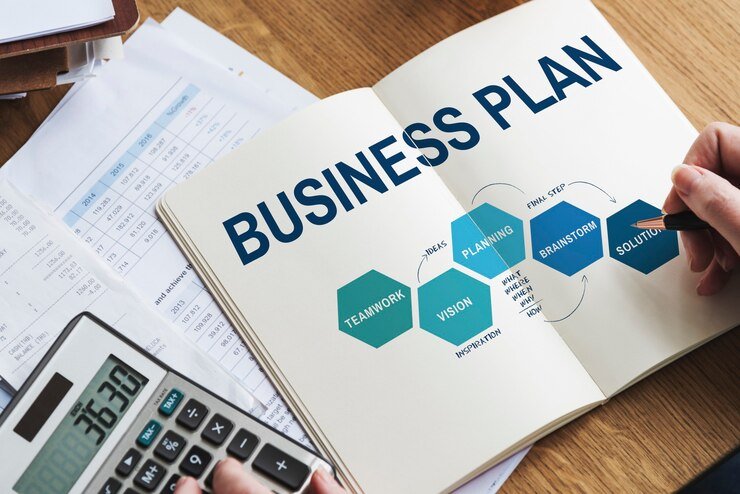
Succession Planning
Succession planning is a strategic process that involves preparing for the transfer of leadership and ownership of assets, responsibilities, and roles within a business, organization, or family. While often associated with business continuity, succession planning also plays a crucial role in estate planning by ensuring a smooth transition of assets and responsibilities to beneficiaries or successors.
Here’s how succession planning is used for estate planning purposes:
- Business Continuity
- Asset Transfer
- Tax Efficiency
- Family Harmony
- Estate Administration
- Training and Development
- Long-Term Planning

Wills
A will, also known as a last will and testament, is a legal document that allows an individual (the testator) to outline how their assets and affairs should be handled after their death. It serves several key purposes in estate planning:
- Asset Distribution
- Guardianship
- Executor Appointment
- Debt and Tax Management
- Charitable Bequests
- Pets and Personal Wishes.
Trust
A trust is a legal arrangement where one party (the trustor or settlor) transfers assets to another party (the trustee) to manage and administer for the benefit of a third party (the beneficiary). Trusts are versatile tools commonly used in estate planning for several purposes:
- Asset Protection
- Probate Avoidance
- Control and Management
- Tax Efficiency
- Privacy
Types of trusts commonly used in estate planning include:
- Revocable Living Trust
- Irrevocable Trust
- Charitable Trust
- Special Needs
- Asset Protection Trust


Healthcare Proxy
A healthcare proxy, also known as a healthcare power of attorney or medical power of attorney, is a legal document that allows an individual (the principal) to appoint someone else (the healthcare agent or proxy) to make medical decisions on their behalf if they become unable to make decisions for themselves. This document is an essential part of estate planning, particularly for ensuring that the principal’s healthcare wishes are respected in the event of incapacity. Here’s how a healthcare proxy is used for estate planning purposes:
- Decision-Making Authority
- Ensuring Healthcare Wishes
- Consistency with Personal Values
- Legal Authority
- Complementing Advance Directives
- Flexibility and Control

Power of Attorney
A power of attorney (POA) is a legal document that grants authority to another person (known as the agent or attorney-in-fact) to act on behalf of the person creating the POA (known as the principal). This authority can be broad or limited, depending on the specific terms outlined in the document. Powers of attorney are versatile tools used in estate planning for several purposes:
- Financial Management
- Business Matters
- Healthcare Decisions
- Estate Administration
- Asset Protection
Types of powers of attorney commonly used in estate planning include:
- General Power of Attorney
- Limited or Special Power of Attorney
- Durable Power of Attorney
- Springing Power of Attorney.



Guardianship
Guardianship is a legal arrangement where a court appoints a responsible person or entity (the guardian) to make decisions and take care of the personal and financial affairs of another person (the ward) who is unable to care for themselves due to age, incapacity, or disability. Guardianships are essential in estate planning, particularly when planning for the care of minor children or adults who are unable to make decisions independently. Here’s how guardianships are used for estate planning purposes:
- Minor Children and/or Incapacitated Adults.
Types of Guardianship:
- Guardianship of the Person
- Guardianship of the Estate
- Court Oversight
- Limitations and Alternatives
- Special Considerations